
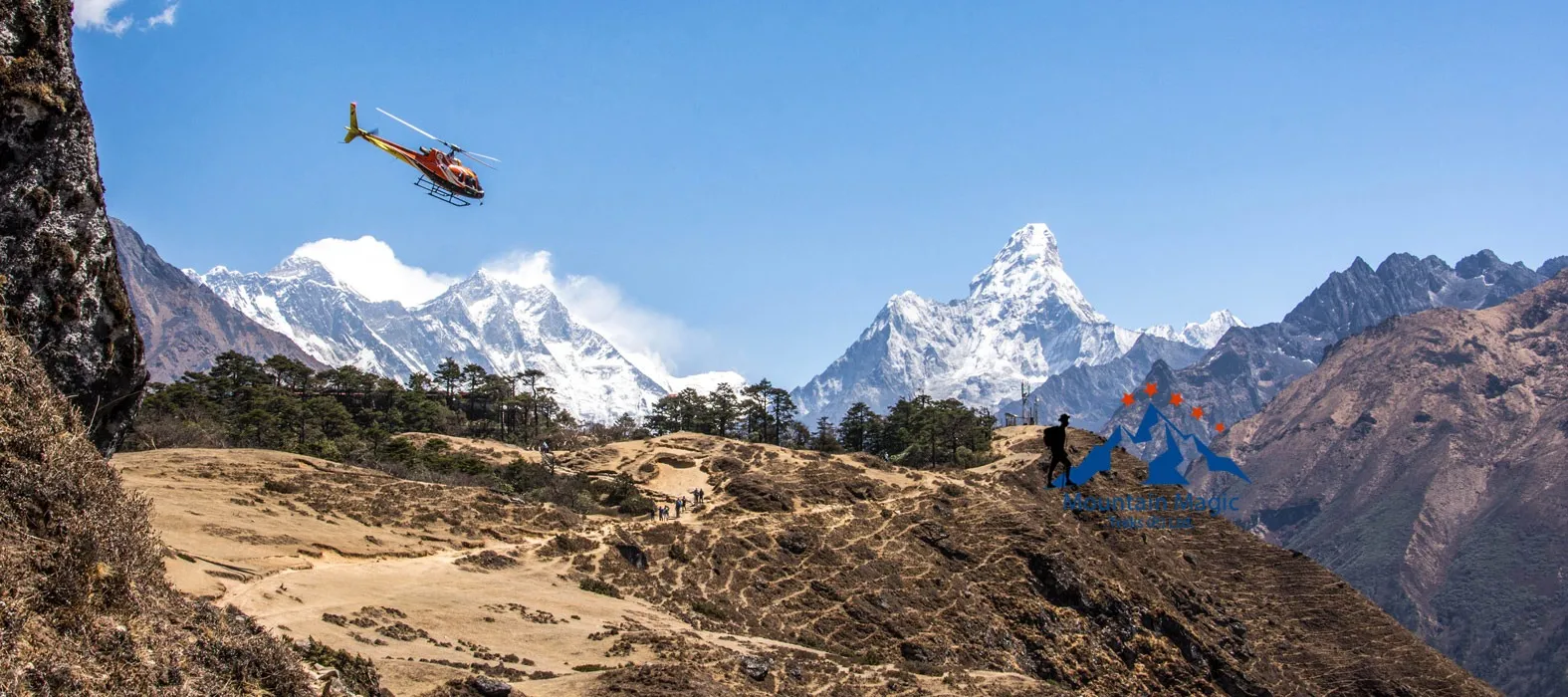
The journey to Everest Base Camp passes through one of the most recognized protected mountain areas in the world. Sagarmatha National Park is home to Mount Everest, deep valleys, glaciers, rare wildlife, and traditional settlements. Its importance goes beyond its famous peaks because the region also holds natural and cultural value.
The Everest Base Camp Trek with Helicopter Return gives visitors an opportunity to experience this remarkable landscape while following a route through the park. Understanding its UNESCO World Heritage status helps trekkers see why responsible travel matters and why the natural environment deserves protection.
Why Sagarmatha National Park Has World Heritage Status
Sagarmatha National Park was added to the UNESCO World Heritage List in 1979. It is recognized for its outstanding mountain scenery and natural features. The park covers a large part of Nepal’s Khumbu region, including Mount Everest and several other major Himalayan peaks.
Its landscape includes high mountain ridges, deep valleys, glaciers, rivers, and areas of alpine vegetation. These features create a natural environment that changes greatly with elevation.
A Landscape Formed by Powerful Natural Forces
The mountains in this region were shaped over millions of years by movements within the Earth’s crust. Glaciers and rivers later carved valleys, moved rock, and formed many of the land features visible along the trekking route.
The Khumbu Glacier is one of the most important examples. Its ice, rocky surface, and surrounding moraines show how glaciers shape high mountain environments. Trekkers can observe parts of this landscape while walking toward Gorakshep and Everest Base Camp.
More Than a Collection of Famous Peaks
Mount Everest attracts international attention, but the park’s importance is not limited to one mountain. Peaks such as Lhotse, Nuptse, Ama Dablam, and Pumori contribute to the region’s dramatic scenery.
The park also protects forests, alpine habitats, and wildlife. Its value comes from the relationship between its mountains, water systems, plants, animals, and the communities that live in the region.
How the Trekking Route Enters the Protected Area
The journey usually begins with a flight from Kathmandu to Lukla. From there, the walking route follows the Dudh Koshi Valley through settlements such as Phakding and Namche Bazaar.
The trail continues toward Tengboche, Dingboche, Lobuche, and Gorakshep. Several sections pass through the protected landscape of Sagarmatha National Park.
Entry Through the Monjo Area
Monjo is an important point on the route because it is associated with the park’s entrance and permit checks. Trekkers may need to show their required documents before continuing farther into the protected area.
These checks help authorities manage access and support park administration. Travelers should keep their permits and identification documents available rather than packing them somewhere difficult to reach.
Villages Within the Park
Namche Bazaar, Tengboche, Dingboche, and other settlements are part of the wider human landscape of the Khumbu region. They provide accommodation, food, local services, and places where visitors can learn about life in the mountains.
The presence of these communities is an important part of the region’s identity. The park is not simply an empty wilderness. People have lived, worked, traveled, and maintained traditions here for generations.
What Trekkers Should Protect Along the Route
World Heritage recognition does not mean the landscape is protected from every form of damage. Visitor activity, waste, construction, and pressure on local resources can affect the environment.
Trekkers have a practical role in reducing their impact. Small decisions made during the journey can help protect the trails and settlements.
Keep Waste Under Control
Plastic wrappers, empty bottles, batteries, and other rubbish can create problems in remote mountain areas. Waste collection and removal are more difficult when villages are far from large waste-processing facilities.
Travelers should carry personal rubbish until they reach an appropriate collection point. Reusable water bottles and careful packing can also reduce the amount of waste created during the trip.
Respect Wildlife and Natural Habitats
Sagarmatha National Park provides habitats for several Himalayan animals and bird species. Some wildlife lives in forests, while other species are adapted to open alpine areas.
Visitors should observe animals from a distance. Feeding wildlife, chasing animals for photographs, or leaving food waste along the trail can disturb their natural behavior.
Follow Local Rules and Trail Guidance
Trekking routes pass through forests, villages, grazing areas, and sensitive mountain terrain. Walking on established paths helps reduce unnecessary damage to surrounding land.
Guides can explain local restrictions and appropriate behavior at different locations. Trekkers should follow their instructions, especially around protected areas, religious sites, and wildlife habitats.
The Cultural Value of the Khumbu Region
Although Sagarmatha National Park is widely recognized for its natural beauty, its human history is also important. Sherpa communities have developed strong connections with the mountain environment through trade, farming, religious traditions, and mountaineering.
Buddhist monasteries, prayer flags, mani walls, and traditional village buildings contribute to the character of the region. These features are part of the experience along the route, particularly around Namche Bazaar and Tengboche.
Visitors should treat religious places with care. Walking around mani walls in the customary direction, avoiding unnecessary noise, and asking before photographing people or ceremonies are simple ways to show respect.
The Everest Base Camp Trek with Helicopter Return passes through places where natural heritage and local culture exist side by side. Responsible tourism should recognize both rather than treating villages only as stops between mountain viewpoints.
How the Helicopter Return Fits Into the Journey
After reaching the Everest Base Camp area and visiting Kala Patthar, the return journey may include a helicopter flight from Gorakshep to Kathmandu, depending on the package arrangements and operating conditions.
This flight provides a different view of the protected landscape. From the air, travelers may see glaciers, mountain valleys, and settlements that they previously passed on foot.
Helicopter operations still depend on weather, visibility, safety requirements, and aircraft conditions. A planned flight should never be treated as guaranteed at an exact time. Travelers should also follow baggage instructions and avoid leaving rubbish behind at high-altitude stops.
The Everest Base Camp Trek with Helicopter Return combines a walking journey through the Khumbu region with an aerial return option. The flight changes the way visitors leave the mountains, but it does not reduce the importance of protecting the environment they have visited.
Final Thoughts
Sagarmatha National Park is important because its natural features, wildlife, mountain landscapes, and local communities form a remarkable part of Nepal’s heritage. UNESCO recognition highlights the value of this place, but long-term protection also depends on how visitors behave.
The Everest Base Camp Trek with Helicopter Return offers a close look at this protected region, from the forests and villages near the lower trail to the glaciers and high mountain terrain near Gorakshep. Travelers can help preserve the experience by managing their waste, respecting local customs, following park rules, and listening to their guides.
A successful visit should leave travelers with lasting memories without leaving unnecessary damage behind.
Frequently Asked Questions
1. When did Sagarmatha National Park become a UNESCO World Heritage Site?
Sagarmatha National Park was added to the UNESCO World Heritage List in 1979 because of its outstanding natural mountain landscape.
2. Is Mount Everest located inside Sagarmatha National Park?
Yes. Mount Everest is located within the park in northeastern Nepal, in the Khumbu region.
3. Where do trekkers enter Sagarmatha National Park?
The route commonly passes through the Monjo area, where park entry and permit checks take place.
4. What wildlife can visitors find in the park?
The protected area supports Himalayan wildlife and bird species, including musk deer, Himalayan tahr, and several high-altitude birds. Sightings are not guaranteed.
5. How can trekkers help protect the park?
Visitors can carry their rubbish to collection points, avoid disturbing wildlife, stay on established trails, respect local traditions, and follow their guides’ instructions.