
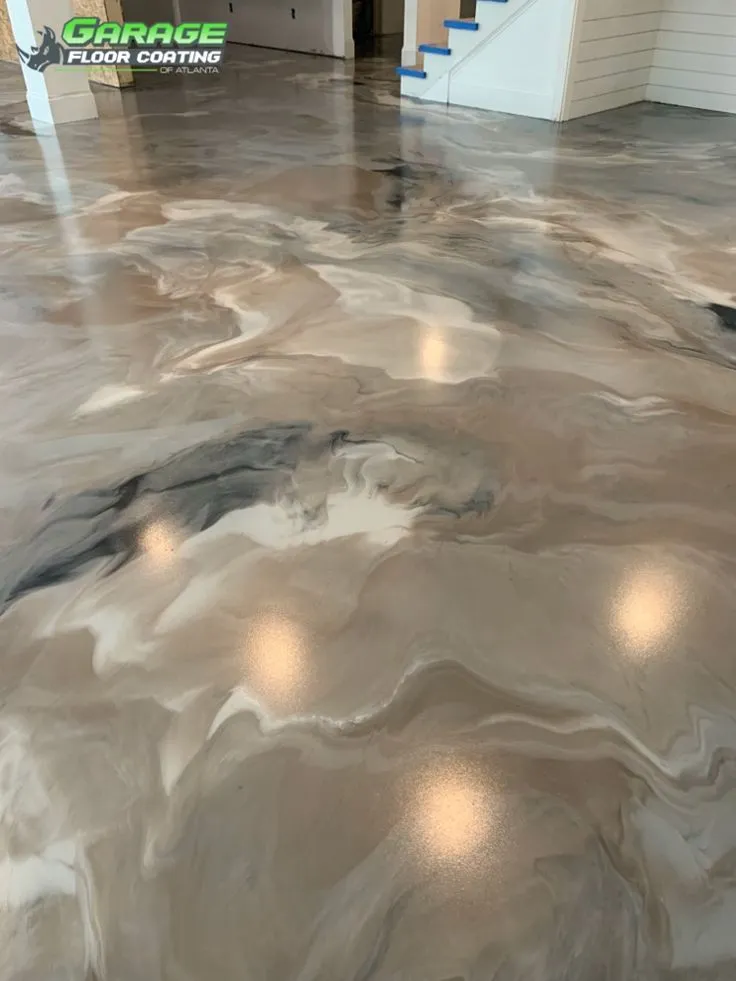
A residential garage no longer has to look like an unfinished storage area. Many homeowners want a clean, coordinated space that accommodates vehicles, tools, and personal projects without sacrificing visual appeal. A garage floor epoxy swirl design introduces flowing metallic patterns that can transform ordinary concrete into a distinctive feature. However, selecting the right finish involves more than choosing attractive colours. Concrete preparation, lighting, traction, and long-term maintenance all influence the completed project. Understanding these factors helps homeowners achieve a customized appearance without overlooking the practical demands of everyday garage use.
Understand How Metallic Patterns Develop
Metallic epoxy systems use decorative pigments suspended within compatible resin materials. During application, installers manipulate the coating to create movement, depth, and variations in colour. The resulting appearance can resemble marble, flowing water, or abstract stone patterns.
Unlike printed flooring, the design develops through the application process itself. Exact replication may not be possible, even when similar pigments are used. Homeowners should expect natural variation and review completed projects before selecting a particular visual direction.
Choose Colours for the Garage Environment
Metallic finishes are available in combinations ranging from understated grey and silver to dramatic bronze, blue, and charcoal. The most suitable palette depends on wall colours, storage cabinets, lighting, and the garage’s overall purpose.
Dark shades may create a striking appearance but can also reveal light-coloured dust. Highly reflective designs may emphasize overhead lighting. Testing colour samples in the actual garage can help homeowners understand how the finish will appear during the day and evening.
Prepare the Concrete Before Decorative Work
An attractive metallic finish requires a suitable concrete substrate. Existing paint, grease, old coatings, cracks, and moisture concerns may interfere with adhesion or affect the appearance of the completed surface.
Unique Coatings & Polishing describes diamond grinding and concrete repairs as part of its garage floor installation process. Proper preparation establishes an appropriate surface profile before coating materials are applied. Significant structural movement or persistent water intrusion requires separate assessment rather than cosmetic concealment.
Compare Metallic Designs With Other Coatings
A metallic epoxy floor garage system creates a different visual effect from decorative flakes or solid-colour finishes. Metallic pigments emphasize movement and depth, while flake coatings provide a more uniform, speckled pattern.
These differences are primarily aesthetic, but performance also depends on the full coating specification. Homeowners should compare topcoats, surface texture, preparation methods, and maintenance recommendations rather than assuming one decorative style is inherently stronger than another.
Discuss Traction and Protective Topcoats
A glossy metallic floor may appear smooth, but traction requirements depend on how the garage is used. Wet tyres, washing equipment, and occasional spills can create slippery conditions if appropriate surface texture is not considered.
The company’s installation process includes a UV-stable polyurethane topcoat. Owners should confirm the exact system proposed for their project and ask whether compatible traction additives are available. Texture choices should balance comfort, appearance, and practical cleaning requirements.
Prepare the Garage for Installation
Garage coating installation generally requires removing vehicles, shelves, tools, and movable equipment. Clearing the space allows installers to inspect the entire slab and apply the selected system without unnecessary obstruction.
Before work begins, confirm:
-
Whether previous coatings or sealers require removal.
-
Which cracks and concrete defects need repair.
-
The metallic colours and pattern style selected.
-
Whether traction additives are appropriate.
-
How dust and ventilation will be managed.
-
When walking and vehicle parking can resume.
A clear plan helps avoid unnecessary disruption and protects the new finish during curing.
Understand Installation and Curing Times
Unique Coatings & Polishing states that most garage coating projects are completed within one to two days, depending on conditions and project scope. However, installation completion and readiness for vehicle traffic are separate considerations.
The company’s garage flooring guidance recommends waiting approximately 48 hours before parking vehicles or placing heavy items on the finished floor. Homeowners should follow the written instructions for their specific coating system rather than relying exclusively on general timelines.
Maintain the Metallic Finish Properly
A metallic garage floor can be easier to clean than unfinished porous concrete, but grit, automotive fluids, and dragged equipment may still affect its appearance. Routine sweeping prevents abrasive particles from collecting beneath tyres and furniture.
Use compatible mild cleaners and remove spills promptly. Avoid aggressive scrubbing tools unless approved by the installer. Periodically inspect areas near parked vehicles and entrances, where repeated traffic may cause visible wear over time.
Conclusion
Metallic epoxy flooring allows homeowners to introduce distinctive colours and flowing patterns into an otherwise practical garage. Successful projects require more than decorative preferences, including appropriate concrete preparation, compatible topcoats, realistic curing expectations, and routine maintenance. Comparing full systems helps balance appearance with everyday performance. Homeowners in Bend and surrounding Central Oregon communities can explore customized garage flooring options through uniquecoatingsandpolishing.com when planning a space that supports vehicles, storage, and personal activities while maintaining a coordinated visual style.